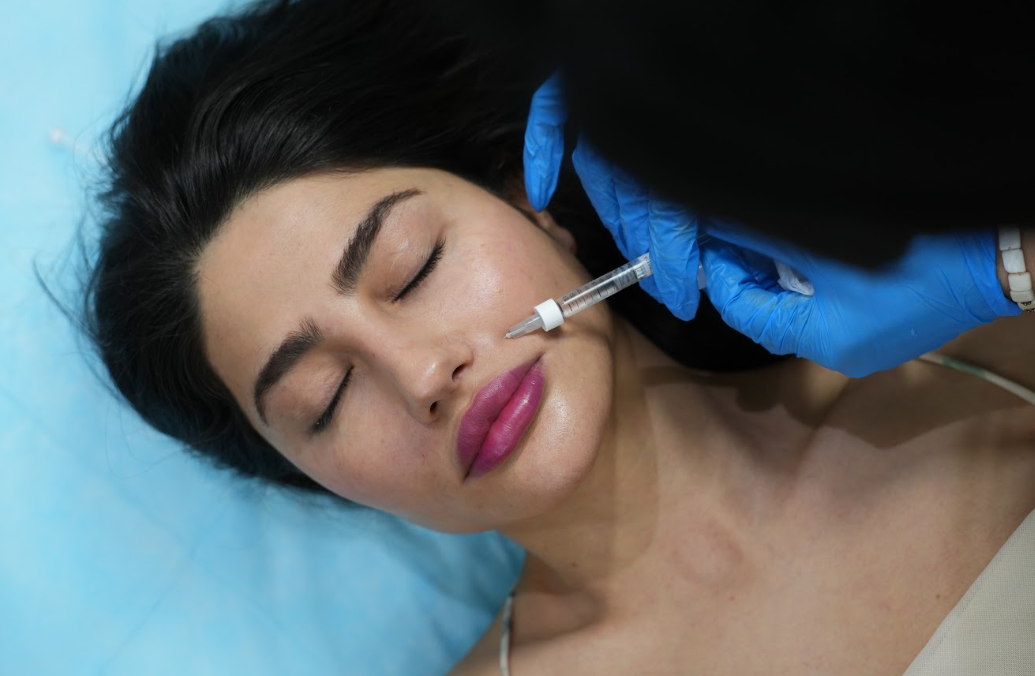
Dermal fillers are used to restore volume and enhance facial contours in areas such as the lips, cheeks, chin, and jawline. While fillers are designed to remain within the intended treatment area, some patients may notice swelling, asymmetry, or fullness beyond the original injection site, raising the question: Why does filler move?
Filler migration refers to filler moving beyond its intended treatment area and is a recognized potential complication. However, not every change after treatment means that filler has migrated. Swelling, inflammation, tissue changes, or overfilling can sometimes create a similar appearance.
When considering lip fillers in Dubai, choosing a reputable clinic and an appropriately qualified, experienced injector is an important part of reducing avoidable risks. Careful assessment, appropriate product selection, and precise injection technique can help support a more natural and predictable result.
What Is Filler Migration?
Filler migration occurs when dermal filler moves beyond its intended treatment area. Instead of remaining where it was initially placed, filler may become visible or palpable in an adjacent area.
The phenomenon is most often discussed in relation to hyaluronic acid fillers, particularly in areas where the tissue is highly mobile or where filler is placed close to anatomical boundaries.
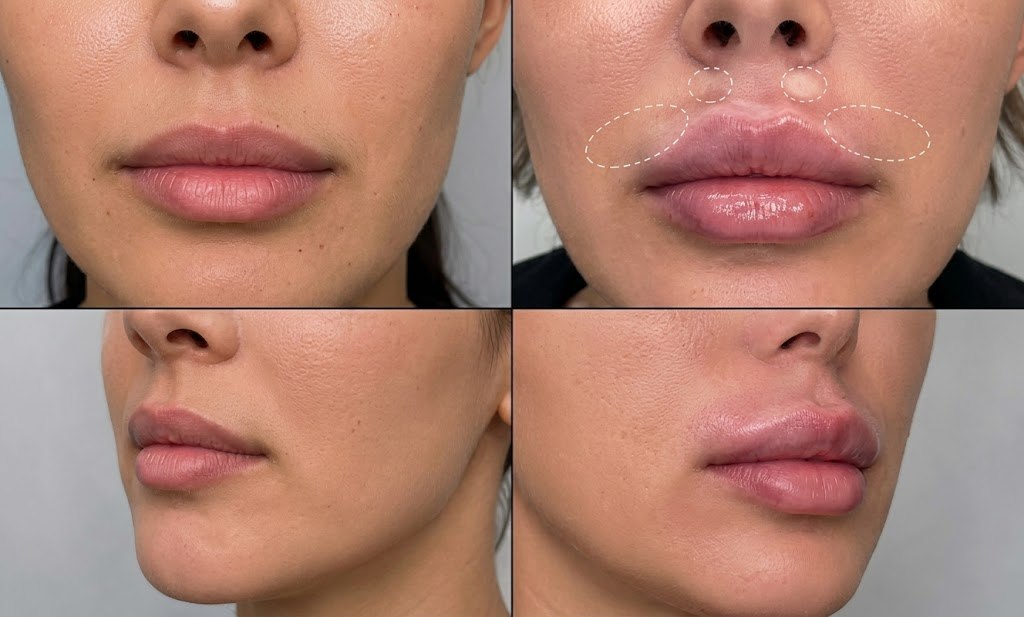
Migration can sometimes be subtle. A person may notice persistent puffiness, an unusual contour, or a small ridge above or around the treated area rather than an obvious movement of filler.
However, it is important not to diagnose migration based on appearance alone. A qualified practitioner may need to examine the area and consider the timing of treatment, type of filler, injection technique, and other possible causes.
Why Does Filler Move?
There is no single cause of filler migration. Several factors can contribute to filler displacement or make it more likely to occur.
Injection Technique
The location, depth, amount, and technique used during an injection can influence how filler behaves within the tissue.
If filler is placed in an inappropriate anatomical plane or if an excessive amount is injected into a particular area, it may contribute to unwanted fullness or displacement.
For this reason, knowledge of facial anatomy is essential when performing dermal filler treatments.
Too Much Filler
Using more filler than necessary can increase the likelihood of an unnatural appearance and may place additional pressure on surrounding tissues.
More product does not necessarily produce a better result. In many cases, achieving a balanced appearance depends on using an appropriate amount in the correct anatomical location.
Tissue Movement
Certain areas of the face move constantly throughout the day. The lips are a good example because they are involved in talking, eating, drinking, and making facial expressions.
Repeated movement and the anatomy of highly mobile areas may influence how filler integrates with surrounding tissues and may contribute to changes in appearance over time, particularly when combined with other factors such as product placement and injection depth.
Filler Characteristics
Different fillers have different physical properties, including their degree of cross-linking, cohesivity, viscosity, and water-binding behavior.
These characteristics can affect how a product integrates with surrounding tissues. The type of filler selected should therefore be appropriate for the specific treatment area and desired outcome.
Anatomical Factors
Everyone’s facial anatomy is different. Tissue thickness, muscle activity, existing scar tissue, and the structure of the treatment area can influence how filler behaves.
This is another reason why a standardized approach does not work equally well for every patient.
Does Filler Migration Happen Often?
Filler migration is possible, but it should not be assumed to be a routine outcome of dermal filler treatment.
There is no single reliable rate for filler migration, as reported frequencies can vary depending on the treatment area, filler type, definition of migration, follow-up period, and how cases are identified.
Some apparent cases of migration may instead be related to prolonged swelling, inflammatory reactions, overfilling, or changes in the surrounding tissue.
This distinction matters because the appropriate treatment depends on the actual cause of the problem.
Which Areas Are More Prone to Filler Migration?
Some areas receive more attention in discussions about filler migration than others.
Lips
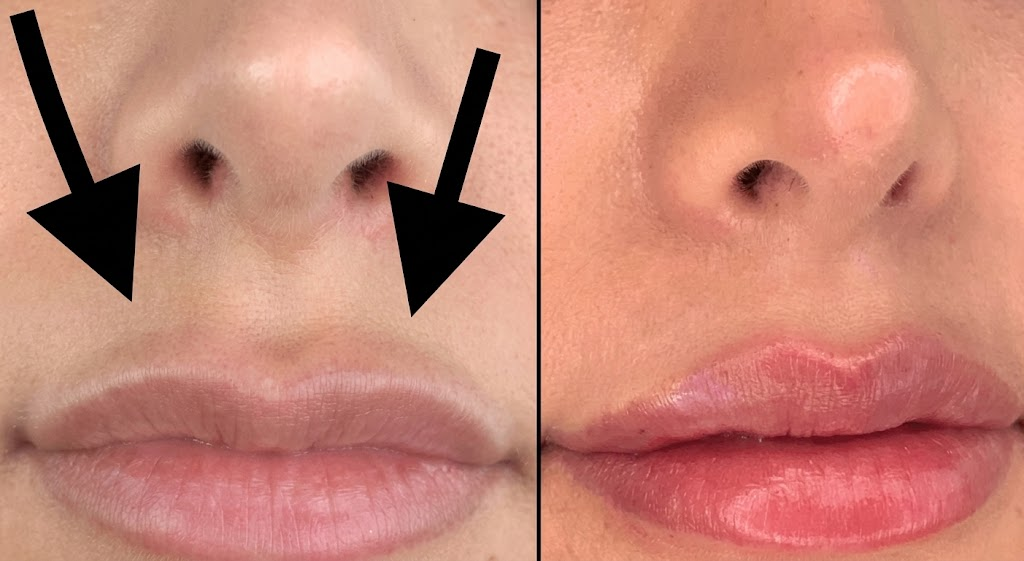
The lips are frequently discussed because they are highly mobile and have complex anatomy. Excessive volume, inappropriate placement, or filler becoming visible outside the vermilion border can contribute to an appearance that patients may describe as migration.
People considering lip fillers should therefore focus not only on the amount of filler used but also on the practitioner’s experience with lip anatomy and conservative treatment planning.
Under-Eye Area
The tear trough and surrounding tissues are delicate and can be particularly sensitive to product placement and fluid retention.
Persistent puffiness in this area does not automatically mean filler migration. Swelling and changes in how the filler interacts with the surrounding tissue can create a similar appearance.
Nasolabial and Other Facial Areas
Filler placed around the nose, cheeks, and nasolabial folds can also produce changes in contour if the product is overused or placed incorrectly.
Because facial structures are interconnected, treatment planning should consider the relationship between adjacent areas rather than treating one fold or contour in isolation.
What Does Filler Migration Look Like?
The appearance can vary considerably depending on the treatment area and amount of product involved.
Possible signs include:
- Fullness appearing outside the original treatment area
- An unusual ridge or contour
- Persistent puffiness
- Asymmetry
- Small palpable lumps
- A change in the shape of the treated area
- Filler becoming visible in an unexpected location
However, these signs are not proof of migration.
Immediately after treatment, swelling and bruising are common and can temporarily distort the appearance of the face. It may take time for these effects to settle before the final result can be assessed.
Filler Migration vs. Normal Swelling
Filler migration is different from normal post-treatment swelling. Post-treatment swelling commonly develops soon after injection and usually decreases as the tissues recover.
Migration refers to filler becoming displaced beyond its intended treatment area and may remain noticeable after the initial swelling has resolved. Because the two can look similar, persistent changes should be assessed by a qualified injector rather than diagnosed based on appearance alone.
Can Filler Migration Be Prevented?
While filler migration cannot always be completely prevented, the risk may be reduced by:
- Choosing an experienced, qualified injector
- Using an appropriate amount of filler
- Selecting the right filler for the treatment area
- Following recommended aftercare instructions
- Avoiding unnecessary or excessive filler treatment.
Can Migrated Filler Be Removed?
Treatment depends on the type of filler and the reason for the unwanted appearance.
When the filler is made from hyaluronic acid, an enzyme called hyaluronidase can be used by an appropriately trained medical professional to break down hyaluronic acid filler.
However, hyaluronidase should not be treated as a simple cosmetic reset button. The decision to dissolve filler depends on the clinical situation, the product used, the location of the filler, and the practitioner’s assessment.
Some cases may require observation rather than immediate intervention, particularly when swelling or inflammation is the more likely explanation.
How Long Does Filler Migration Last?
How long an apparent filler migration persists varies depending on the filler type, amount injected, treatment area, and whether the underlying issue is actually migration or another cause such as swelling or inflammation.
Persistent changes may require professional assessment to determine the underlying cause and whether treatment is necessary.
Is Filler Migration Dangerous?
Filler migration is not always dangerous, but it can affect the appearance and symmetry of the treated area. Persistent lumps, swelling, or changes in contour may require professional assessment to determine the underlying cause.
If you experience severe pain, unusual skin discoloration, rapidly worsening swelling, or vision changes after filler treatment, seek urgent medical attention, as these symptoms can indicate a serious injection-related complication.
What Should You Do If You Think Your Filler Has Migrated?
If you suspect filler migration, avoid trying to correct or dissolve the filler yourself. Instead:
- Allow initial swelling to settle if the treatment was recent.
- Have the area assessed by a qualified injector to determine whether the change is caused by migration, swelling, overfilling, or another reaction.
- Discuss appropriate treatment options if migration is confirmed. For hyaluronic acid filler, hyaluronidase may be considered when clinically appropriate.
- Seek urgent medical attention if you develop severe pain, significant skin discoloration, or vision changes.
Choosing a Clinic for Dermal Fillers
The best way to reduce preventable filler complications is to choose an appropriately qualified practitioner and have a thorough consultation before treatment.
When researching a provider such as tinkermoon clinic, patients should consider the qualifications and experience of the practitioner performing the procedure, the products used, the treatment approach, and how potential complications are managed.
A good consultation should cover your facial anatomy, desired outcome, previous filler treatments, medical history, and realistic expectations.
Frequently Asked Questions About Filler Migration
Can filler really migrate?
Yes, filler can sometimes move beyond its intended treatment area, although not every case of unexpected swelling or fullness represents true migration.
Does massaging filler cause migration?
Aggressive or unnecessary manipulation of recently injected filler may affect how the product settles, depending on the treatment and area. Patients should follow their practitioner’s specific aftercare instructions rather than massaging the area without guidance.
Is filler migration permanent?
Not necessarily. The outcome depends on the type of filler and the reason for the unwanted appearance. Some issues resolve naturally, while hyaluronic acid filler can potentially be dissolved by a qualified professional when clinically appropriate.
Can migrated lip filler be dissolved?
Hyaluronic acid lip filler can generally be dissolved with hyaluronidase when a qualified practitioner determines that dissolving is appropriate.
How can you tell if filler has migrated?
Persistent fullness, an unusual contour, asymmetry, or product appearing beyond the intended treatment area may raise suspicion. However, swelling and other reactions can look similar, so professional assessment is necessary.
Can filler migration be prevented?
There is no absolute guarantee, but appropriate product selection, conservative treatment, correct injection technique, and treatment by an experienced practitioner can help reduce avoidable risks.
Final Thoughts
Filler migration is a potential complication of dermal filler treatment, but it is important not to confuse it with temporary swelling, inflammation, or other changes that can occur after injections.
The risk can be influenced by factors such as injection technique, product selection, treatment volume, anatomy, and the characteristics of the treated area. Choosing an experienced and appropriately qualified practitioner is therefore one of the most important steps when considering dermal fillers.
If unexpected swelling, asymmetry, or fullness persists after treatment, professional assessment is the safest way to determine whether the filler has actually migrated and whether any treatment is necessary.