Transforming a house into a home is one of the most rewarding creative endeavors one can undertake. However, the process of shopping for home design is often a double-edged sword. While it offers the excitement of renewal and self-expression, it can quickly become overwhelming due to the sheer volume of choices, varying price points, and the technicalities of interior aesthetics. To shop effectively, one must move beyond impulsive buying and adopt the mindset of a curator. This guide explores how to navigate the marketplace to create a space that is both functional and deeply personal.
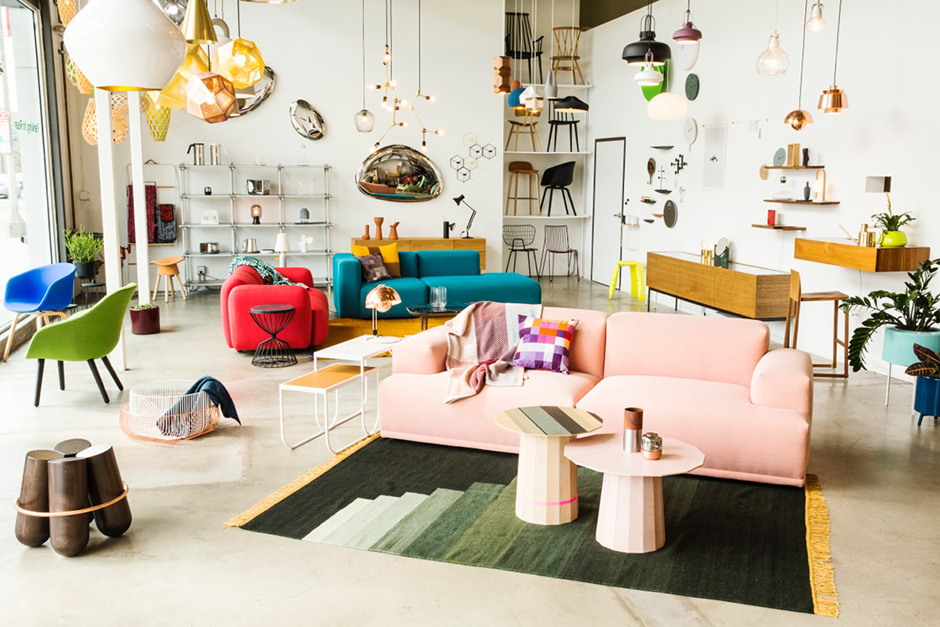
Establishing a Vision Before the First Purchase
The biggest mistake many homeowners make is entering a furniture store or browsing an online marketplace without a cohesive plan. Shopping for home design should always begin at home, not at the mall. Before spending a single cent, it is essential to define the “mood” of your space.
Are you drawn to the clean lines of Scandinavian minimalism, the warmth of rustic farmhouse aesthetics, or the bold personality of maximalism? Creating a mood board—whether physical or digital—allows you to see how different textures, colors, and shapes interact. This vision acts as a filter; when you see a beautiful velvet sofa in a store, your vision board will tell you if it actually fits your narrative or if it is just a passing distraction.
The Foundation: Investing in Anchor Pieces
In home design, not all items are created equal. Professional decorators often suggest the “Anchor and Accent” strategy. Anchor pieces are the large, functional items that define a room, such as the sofa in the living room, the dining table, or the bed frame.
When shopping for these items, quality and comfort should take precedence over fleeting trends. These are the pieces you will interact with every day for years. It is worth allocating a larger portion of your budget to high-quality materials like solid wood, top-grain leather, or durable performance fabrics. Shopping for anchors requires patience; you should test the “sit” of a sofa and the “sturdiness” of a table in person whenever possible.
Navigating the World of Accents and Accessories
Once the anchors are in place, shopping becomes a game of personality. Accessories—rugs, lighting, wall art, and decorative objects—are the “jewelry” of a room. This is where you can afford to be more adventurous and trend-conscious.
When shopping for accents, look for contrast. If your sofa is a neutral gray, look for a rug with a bold pattern or cushions with rich textures like linen or faux fur. Lighting is perhaps the most overlooked element in home design shopping. Moving away from standard “builder-grade” ceiling lights and shopping for unique floor lamps or statement pendants can instantly elevate a room from basic to bespoke.
The Mix of High and Low: Budget-Savvy Sourcing
A well-designed home does not require a limitless budget; it requires a savvy mix of “high and low” sourcing. This means pairing an expensive, designer armchair with an affordable side table or vintage finds.
Shopping for home design is increasingly moving toward sustainability and uniqueness. Don’t limit yourself to big-box retailers. Antique malls, thrift stores, and online marketplaces for second-hand goods are goldmines for items with character. A vintage brass mirror or a hand-carved wooden bowl provides a sense of history that mass-produced items often lack. The most interesting homes are those that look like they have been collected over time, rather than bought in a single weekend from a single catalog.
Measurements and Scale: The Technical Side of Shopping
One of the most common pitfalls in home design shopping is a failure of scale. A magnificent king-sized headboard might look perfect in a high-ceilinged showroom but can easily “swallow” a standard bedroom.
Before you go shopping, arm yourself with a “cheat sheet” of your room’s dimensions, including the height of windows, the location of electrical outlets, and the width of doorways. A piece of furniture is only a good deal if it actually fits through the door. Use painter’s tape to mask out the dimensions of a potential furniture piece on your floor at home. This simple trick allows you to visualize the flow of the room and ensure that the space doesn’t feel cramped or cluttered.
Online vs. In-Store: Making the Choice
The digital age has revolutionized how we shop for interiors. Online shopping offers an unparalleled selection and the ability to compare prices instantly. However, home design is a tactile experience. You cannot feel the softness of a rug or the weight of a drawer pull through a screen.
The ideal approach is a hybrid model. Use the internet for research, reading reviews, and narrowing down styles. For items where touch and comfort are paramount, such as mattresses and seating, visit a physical showroom. For items like hardware, lighting, and decorative accessories, online shopping is often more efficient and provides access to independent artisans across the globe.
Conclusion
Shopping for home design is a marathon, not a sprint. The most beautiful homes are those that reflect the evolving tastes and experiences of the people who live in them. By starting with a clear vision, investing in quality anchors, and mixing high-end pieces with unique vintage finds, you can create a sanctuary that stands the test of time.
Remember that the goal is not to create a showroom, but to curate a space that supports your lifestyle. Every item you bring into your home should either serve a clear purpose or spark a sense of joy. With a bit of patience and a strategic approach to sourcing, the process of shopping for your home can be just as fulfilling as the final result. Happy hunting!