Makeup application has evolved far beyond the simple concealment of imperfections or adherence to fleeting beauty trends. Today, it stands as an intentional form of self-expression, artistic precision, and personal care. While the sheer variety of cosmetic products, formulas, and application techniques can easily feel overwhelming, mastering the process comes down to understanding fundamental beauty mechanics. Achieving a radiant, long-lasting look requires a thoughtful sequence that harmonizes skin preparation, color theory, and precise application tools.
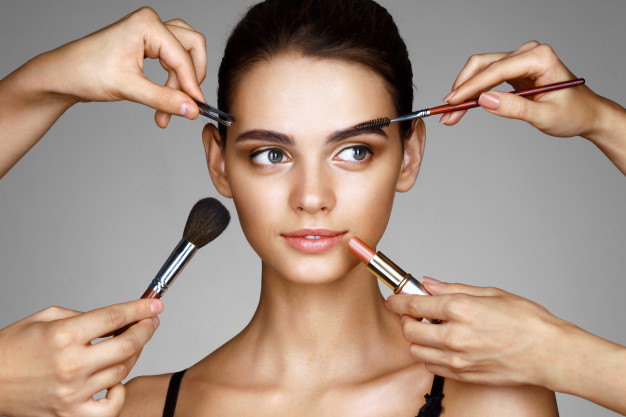
Whether you are crafting an effortless daily aesthetic or preparing a full-coverage look for a high-profile event, approaching your makeup routine as a systematic process ensures professional, seamless results every time.
The Non-Negotiable Foundation: Advanced Skin Preparation
The most common misconception in cosmetic application is that a smooth, airbrushed finish is created solely by high-end foundations. In reality, the final appearance of any base makeup depends almost entirely on the surface conditions of the underlying skin. Placing liquid formulas over dry, unexfoliated, or poorly hydrated skin inevitably leads to patchiness, creasing, and premature wear.
- Hydration and Barrier Support: Apply a lightweight, fast-absorbing moisturizer tailored to your specific skin type. Allowing the product two to three minutes to fully settle into the skin creates a supple canvas that allows pigment to blend smoothly.
- Targeted Priming: Primers serve as an essential structural bridge between skincare and cosmetics. Use pore-blurring silicones specifically on areas prone to texture or excess oil, while opting for hydrating or grip-focused formulas across flatter areas of the face to lock pigment in place.
- Sun Protection Integration: Always allow your facial sunscreen to form a complete film before applying base products. Rushing this step can cause pilling, where the formulas ball up and break down on the skin.
Mastering Base Application: Achieving Texture Without Weight
Modern makeup trends prioritize healthy, multidimensional skin over heavy, mask-like coverage. The key to achieving this modern finish lies in micro-layering—applying minimal amounts of product in controlled layers rather than depositing a thick layer all at once.
When selecting a base product, consider the undertones of your complexion—cool, warm, or neutral—rather than just the overall depth of skin tone. Applying foundation starting from the center of the face, where redness and discoloration typically concentrate, and blending outward toward the hairline and jawline creates a natural gradient. Utilizing damp micro-fiber sponges absorbs excess liquid product while bouncing pigment into the skin, avoiding the harsh lines often left behind by traditional flat foundation brushes.
For spot coverage, reserve high-pigment concealers exclusively for areas that require extra attention, such as post-inflammatory hyperpigmentation or dark under-eye circles. Selecting a hydrating, lightweight concealer for the delicate under-eye area prevents fine lines from being accentuated throughout the day.
Sculpting and Color Theory: Adding Dimension and Life
A uniform layer of foundation removes the natural shadows and highlights of the face, often leaving the features looking flat. Restoring dimension requires a strategic balance of contouring, bronzing, and blush application.
Contouring should be approached as a mapping exercise based on individual facial bone structure. Cool-toned cream or powder products work best for contouring because they mimic natural physical shadows, placed strategically beneath the cheekbones, along the jawline, and around the perimeter of the forehead. Conversely, warm-toned bronzers should be swept across the high points of the face where sunlight naturally hits, adding warmth and vitality.
Blush application plays a dual role in both color restoration and optical lifting. Placing cream or powder blush higher on the cheekbones creates an upward lifting effect, while focusing the application on the apples of the cheeks creates a youthful, fuller appearance.
Precision Eye and Lip Enhancements
Enhancing the eyes and lips requires absolute control over texture and color placement. Because eyelids produce natural oils throughout the day, applying a dedicated eye primer or set cream concealer prevents eyeshadow pigments from creasing or fading.
- Eyeshadow Depth: Build dimension gradually by applying a neutral transition shade across the crease before layering deeper pigments into the outer corners. This creates a soft, diffused gradient rather than harsh color blocks.
- Mascara and Liner: Tightlining—applying a waterproof gel eyeliner directly into the upper waterline—instantly thickens the appearance of the lash line without taking up valuable eyelid space. Follow with mascara, wiggling the wand from root to tip to deposit volume at the base while keeping the ends separated.
- Defined Lips: Precision lip lining prevents liquid lipsticks and traditional formulas from bleeding into fine lines. Mapping the cupid’s bow first and lining toward the outer corners ensures symmetry before filling the lips with your chosen shade.
Setting and Longevity Infrastructure
To ensure your careful application withstands humidity, environmental stress, and natural sebum production, setting your makeup correctly is essential. Rather than dusting large amounts of translucent powder across the entire face, practice strategic zone setting.
Using a small, fluffy brush, apply a light dusting of finely milled loose powder exclusively to areas prone to movement and shine, such as the T-zone, the sides of the nose, and under the eyes. Finish the entire application with a high-performance setting spray. Setting sprays melt cream and powder layers together into a cohesive, skin-like finish while creating a flexible, transfer-resistant barrier over the pigments.
Conclusion
Applying makeup effectively is a skill built on fundamental techniques, thoughtful preparation, and an understanding of how different formulas interact with the skin. By prioritizing skin hydration, layering coverage intentionally, mapping facial dimension with color, and setting strategic zones, you elevate your cosmetic routine from a basic daily task to a precise, rewarding craft. Embracing these core principles ensures that every application delivers a polished, enduring, and radiant result tailored to your unique features.